
Graphic Design
Packaging Design Checklist: From Dieline to Press Proof
Wiseland Studio · September 21, 2026
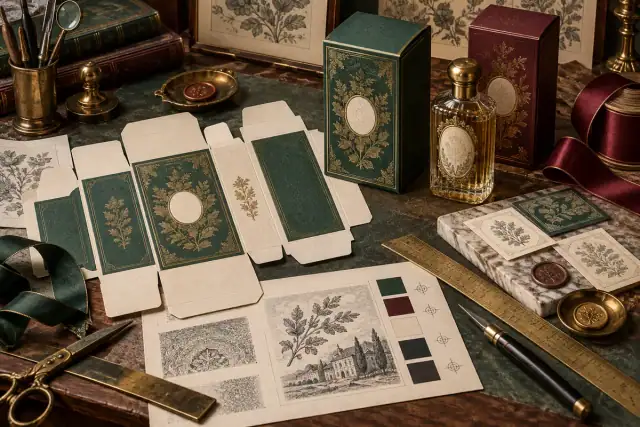
Packaging Design Checklist Before Production
Packaging succeeds when brand expression, information, structure, logistics, and production agree. A beautiful front panel cannot rescue an incorrect dieline or unreadable mandatory copy.
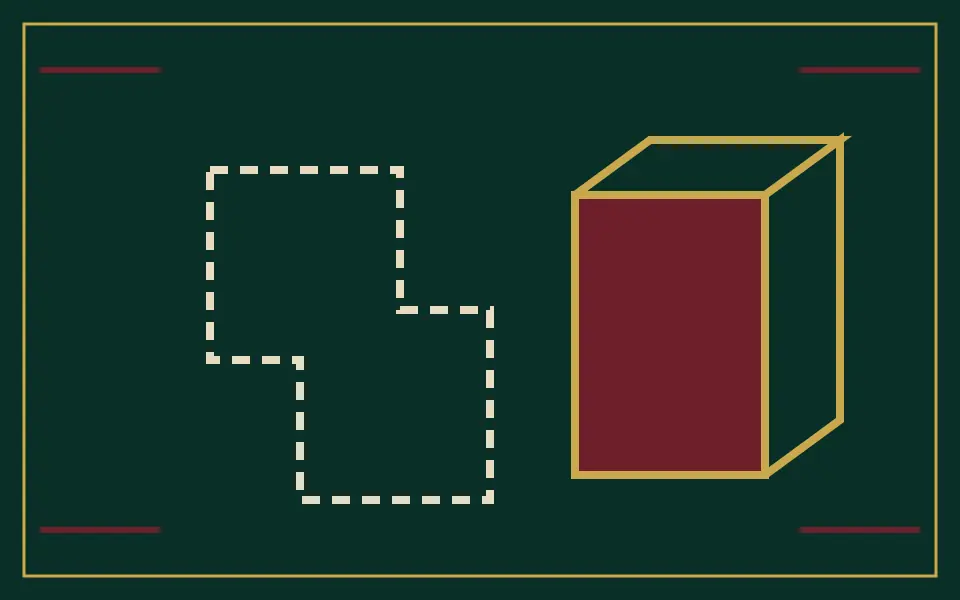
Confirm structure first
Use the supplier's current dieline and confirm units, finished dimensions, folds, glue areas, safe zones, bleed, material thickness, opening direction, and how the item is packed. Never rebuild a production dieline from a screenshot. Test the physical sequence with a plain prototype before refining graphics.
Build an information hierarchy
List mandatory legal and commercial content, then rank it: brand, product name, variant, quantity, benefit, instructions, ingredients, warnings, manufacturer, dates, recycling marks, and local requirements. Reserve stable areas for variable data. Proof every number and language version outside the design file as well.
Test barcode and small type
Obtain the correct barcode from the owner, preserve quiet zones, and test a printed sample at final size. Avoid reducing type and reverse text below the printer's reliable limits. Contrast and material texture matter as much as the nominal font size.
Specify colour and finishes honestly
Agree whether production uses CMYK, spot colours, foil, embossing, varnish, lamination, or special stock. Each finish needs a separate named plate with correct overprint settings. Ask for a contract proof or press proof when colour is critical; a monitor preview is not a production guarantee.
Run the final handoff check
- Links embedded or packaged and fonts handled legally
- Bleed, trim, folds, glue, and safe areas visible on the correct layers
- Images at effective resolution and correct colour mode
- Black construction, overprint, knockouts, and spot names checked
- Printer opens the PDF and confirms the specification in writing
- Approved artwork, proof, and version number archived together
Good packaging is designed with the supplier rather than thrown over the wall at the end. To discuss an identity and its physical applications, send a project enquiry and review selected graphic design work.